 |
QElectroTech 0.200.1-dev
|
|
QElectroTech 0.200.1-dev
|
#include <numerotationcontext.h>
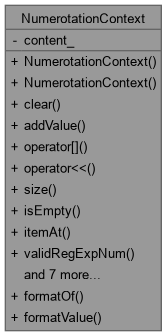
Public Member Functions | |
| NumerotationContext () | |
| NumerotationContext (QDomElement &) | |
| void | clear () |
| NumerotationContext::clear, clear the content. | |
| bool | addValue (const QString &, const QVariant &=QVariant(1), const int=1, const int=0, const int=0, const QString &=QString()) |
| NumerotationContext::addValue add a new value on the contexte. | |
| QString | operator[] (const int &) const |
| NumerotationContext::operator []. | |
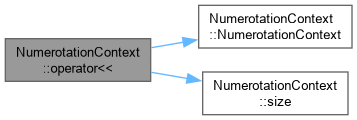
| void | operator<< (const NumerotationContext &) |
| NumerotationContext::operator << , append other. | |
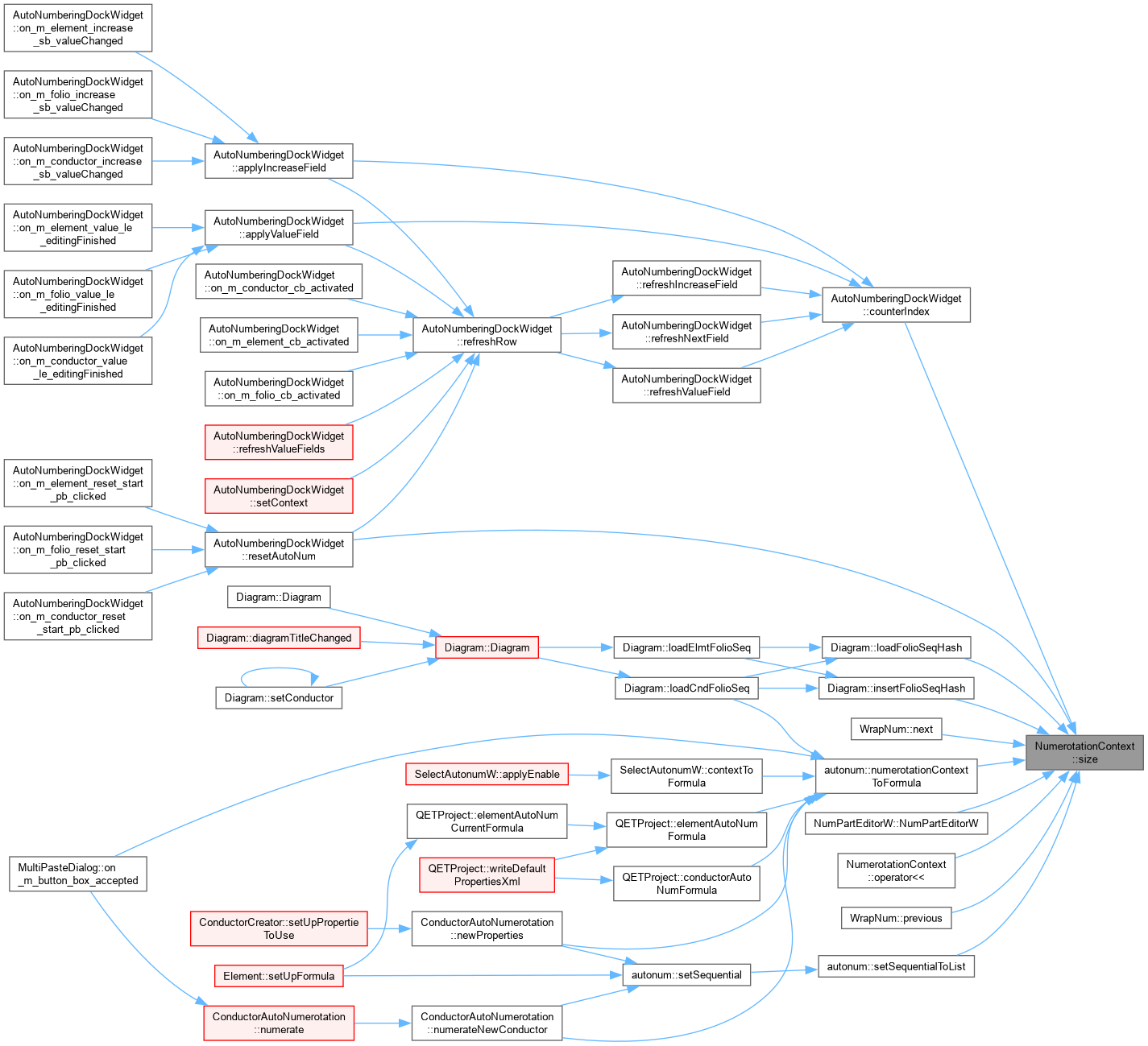
| int | size () const |
| NumerotationContext::size. | |
| bool | isEmpty () const |
| NumerotationContext::isEmpty. | |
| QStringList | itemAt (const int) const |
| NumerotationContext::itemAt. | |
| QString | validRegExpNum () const |
| validRegExpNum | |
| QString | validRegExpNumber () const |
| NumerotationContext::validRegExpNumber. | |
| bool | keyIsAcceptable (const QString &) const |
| NumerotationContext::keyIsAcceptable. | |
| bool | keyIsNumber (const QString &) const |
| NumerotationContext::keyIsNumber. | |
| QDomElement | toXml (QDomDocument &, const QString &) |
| NumerotationContext::toXml Save the numerotation context in a QDomElement under the element name str. | |
| void | fromXml (QDomElement &) |
| NumerotationContext::fromXml load numerotation context from e. | |
| void | replaceValue (int, QString) |
| NumerotationContext::replaceValue This class replaces the current NC field value with content. | |
| void | replaceIncrease (int, int) |
| NumerotationContext::replaceIncrease Change how much this part advances per step, leaving its current value, initial value, modulus and format untouched. Sibling to replaceValue(), which deliberately never touches this field. | |
Static Public Member Functions | |
| static QString | formatOf (const QStringList &item) |
| NumerotationContext::formatOf. | |
| static QString | formatValue (const QStringList &item) |
| NumerotationContext::formatValue. | |
Private Attributes | |
| QStringList | content_ |
This class represents a numerotation context, i.e. the data (type, value, increase) of a numerotation at a given time. It is notably used by conductor to store the informations they need to do their autonumerotation.
| NumerotationContext::NumerotationContext | ( | ) |
Constructor

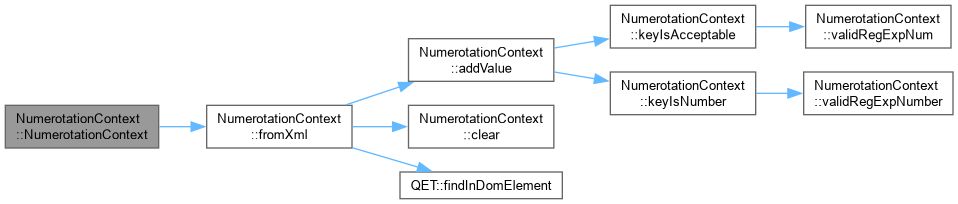
| NumerotationContext::NumerotationContext | ( | QDomElement & | e | ) |
Constructor from xml
| bool NumerotationContext::addValue | ( | const QString & | type, |
| const QVariant & | value = QVariant(1), | ||
| const int | increase = 1, | ||
| const int | initialvalue = 0, | ||
| const int | modulus = 0, | ||
| const QString & | format = QString() ) |
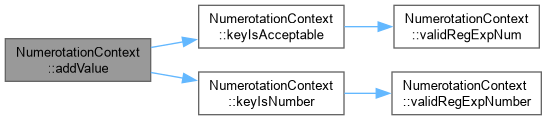
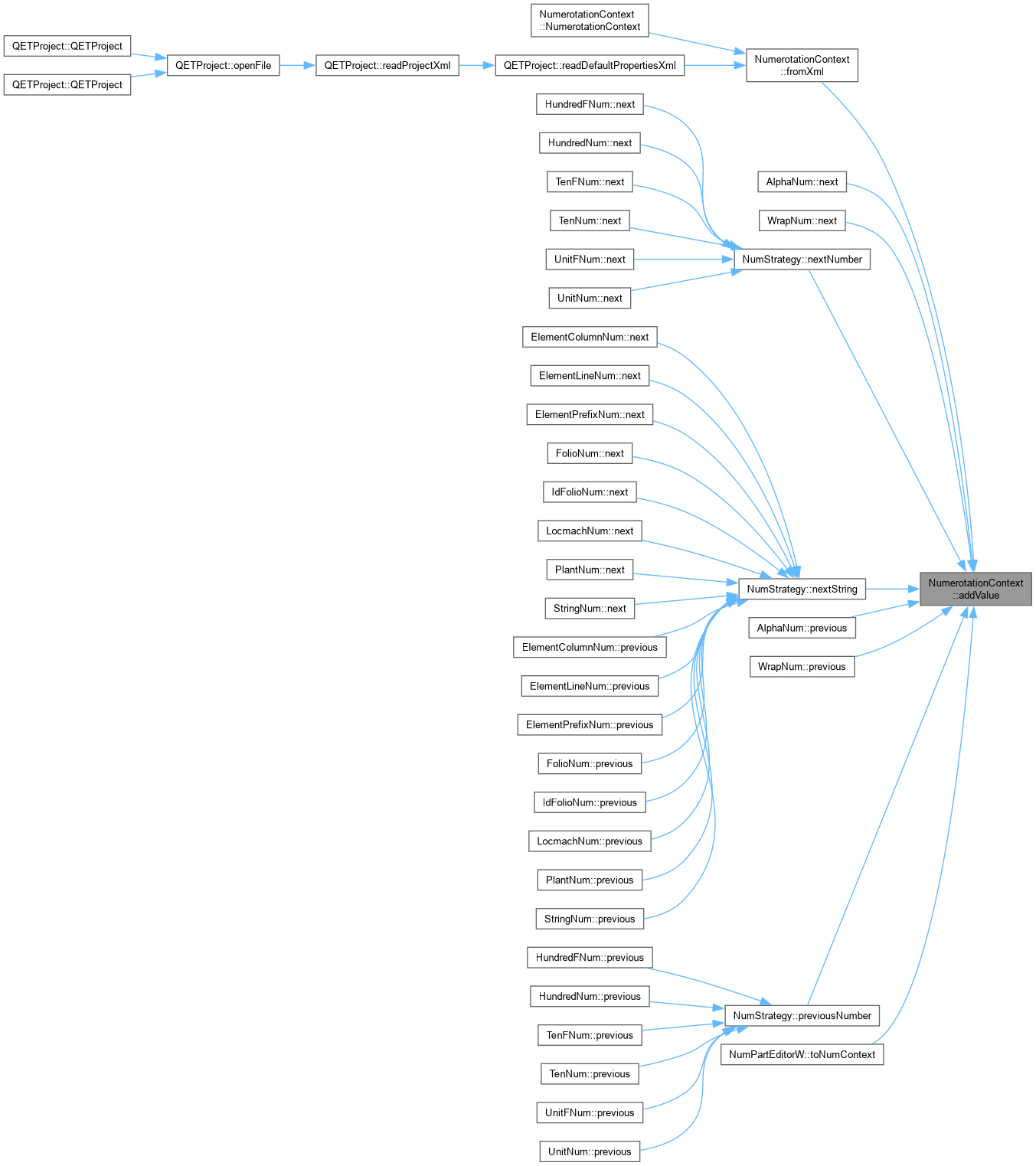
NumerotationContext::addValue add a new value on the contexte.
| type | the type of value |
| value | the value itself |
| increase | the increase number of value |
| initialvalue | |
| modulus | wrap-and-carry modulus (0 means "not a wrapping part") |
| format | zero-padding mask, spreadsheet style: "00" pads to two digits, "000" to three. Empty keeps the part type's natural width, so an absent format reproduces exactly the behaviour of every context written before this field existed. |
| void NumerotationContext::clear | ( | ) |
|
static |
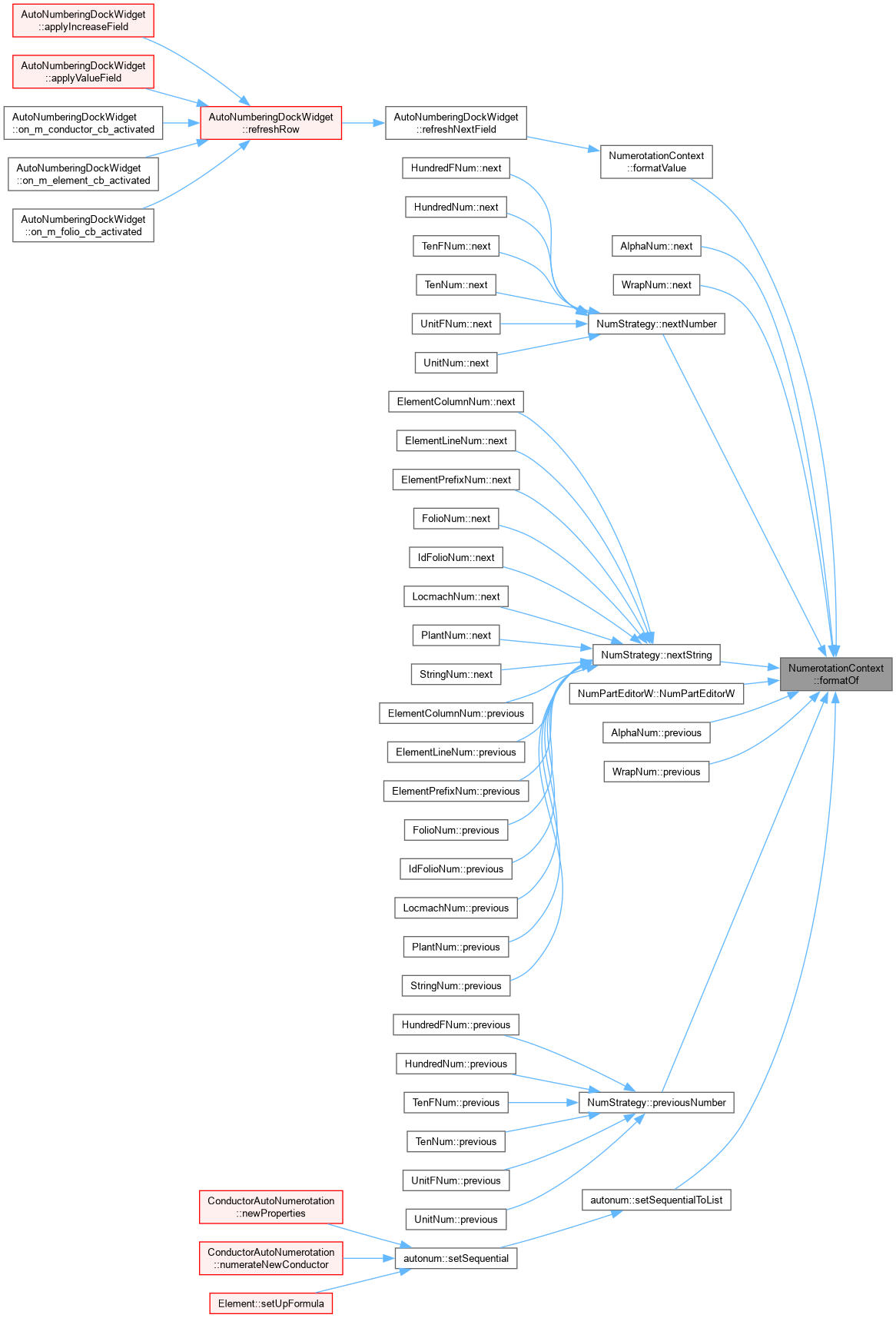
NumerotationContext::formatOf.
Zero-padding mask of a part, e.g. "00"; empty means the type's own natural width. See addValue().
| item | : a context item as returned by itemAt() |
|
static |
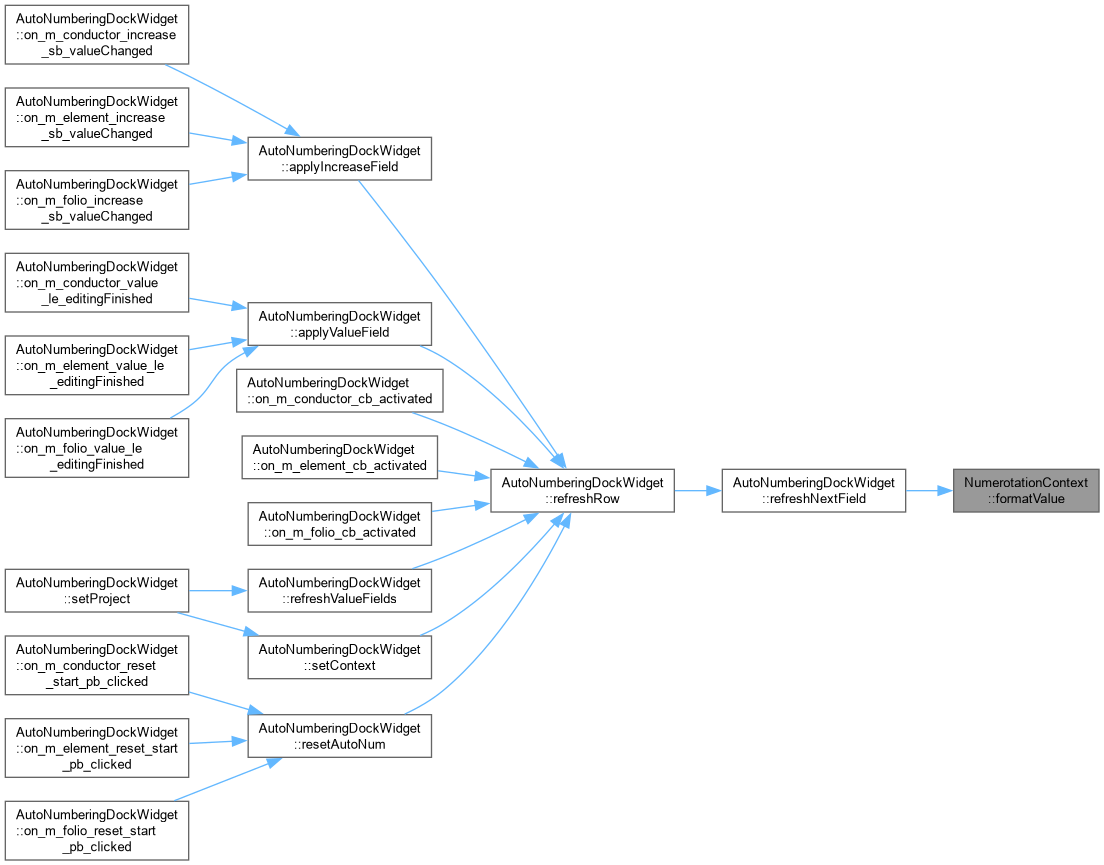
NumerotationContext::formatValue.
Zero-pad a part's value the same way the real numbering engine does (autonum::setSequentialToList in assignvariables.cpp), so a UI preview of a part's value matches what actually gets rendered.
| item | : a context item as returned by itemAt() |

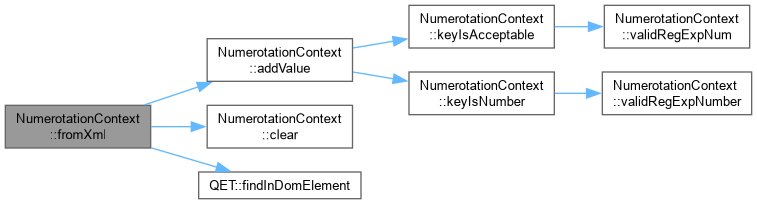
| void NumerotationContext::fromXml | ( | QDomElement & | e | ) |
NumerotationContext::fromXml load numerotation context from e.

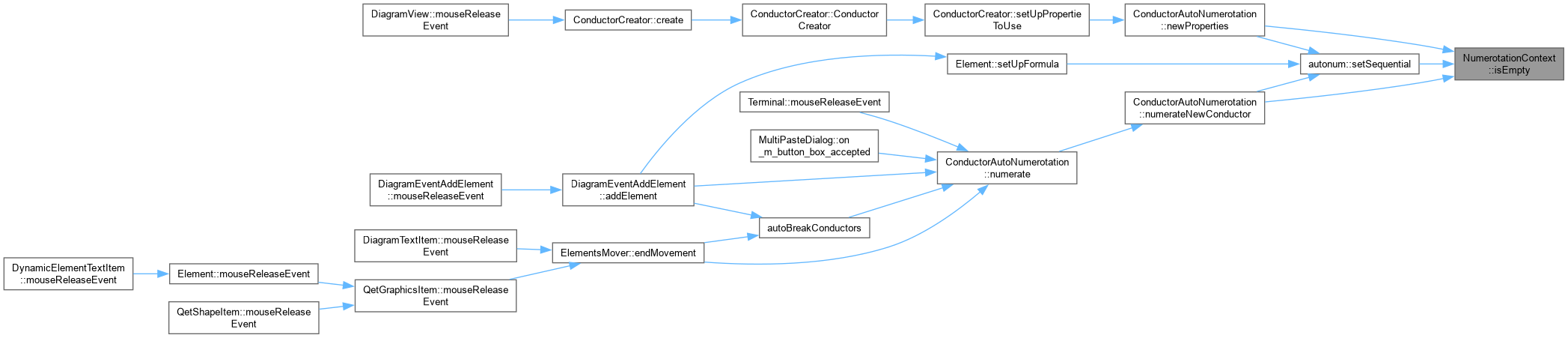
| bool NumerotationContext::isEmpty | ( | ) | const |
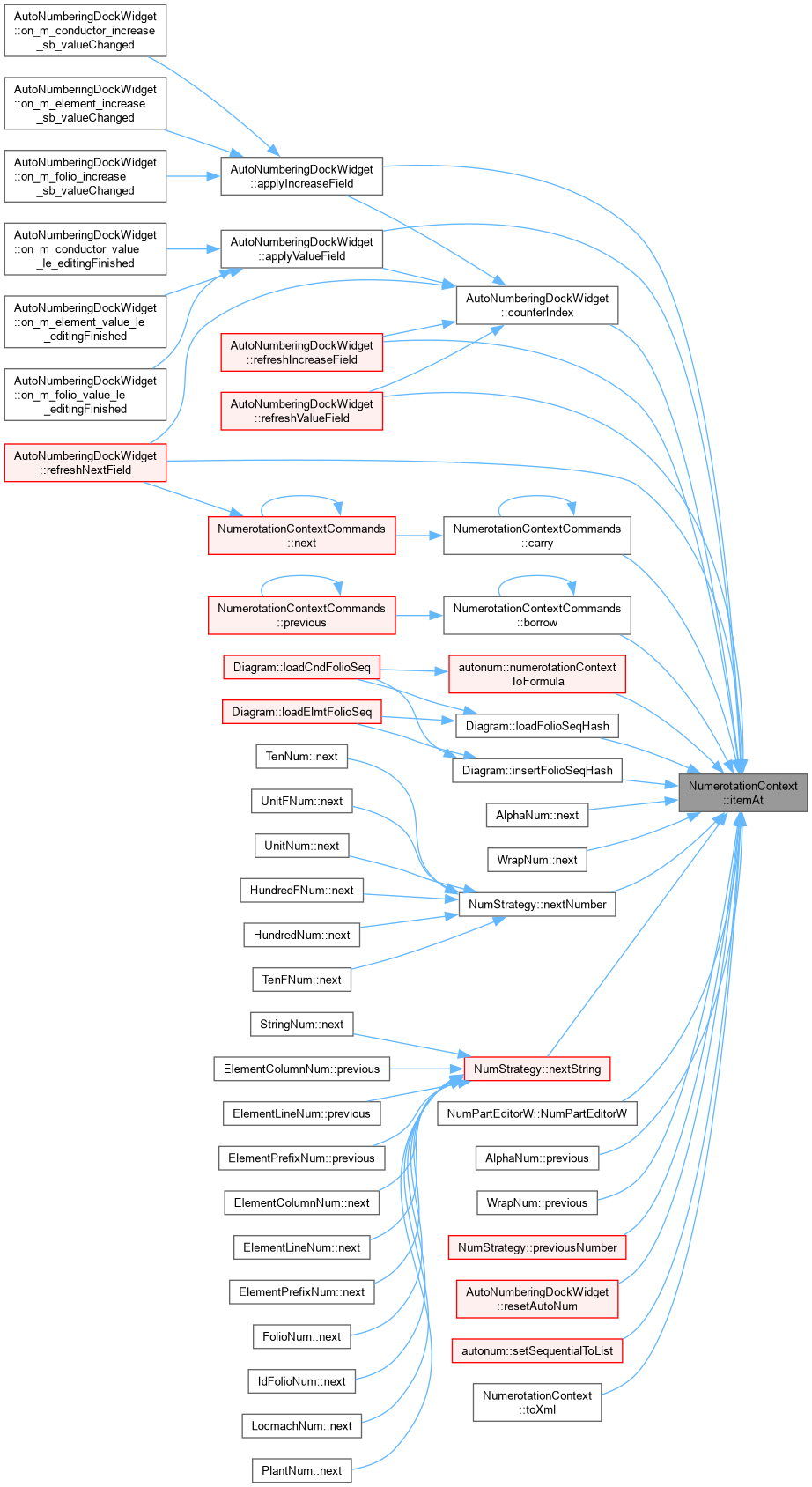
| QStringList NumerotationContext::itemAt | ( | const int | i | ) | const |
| i |
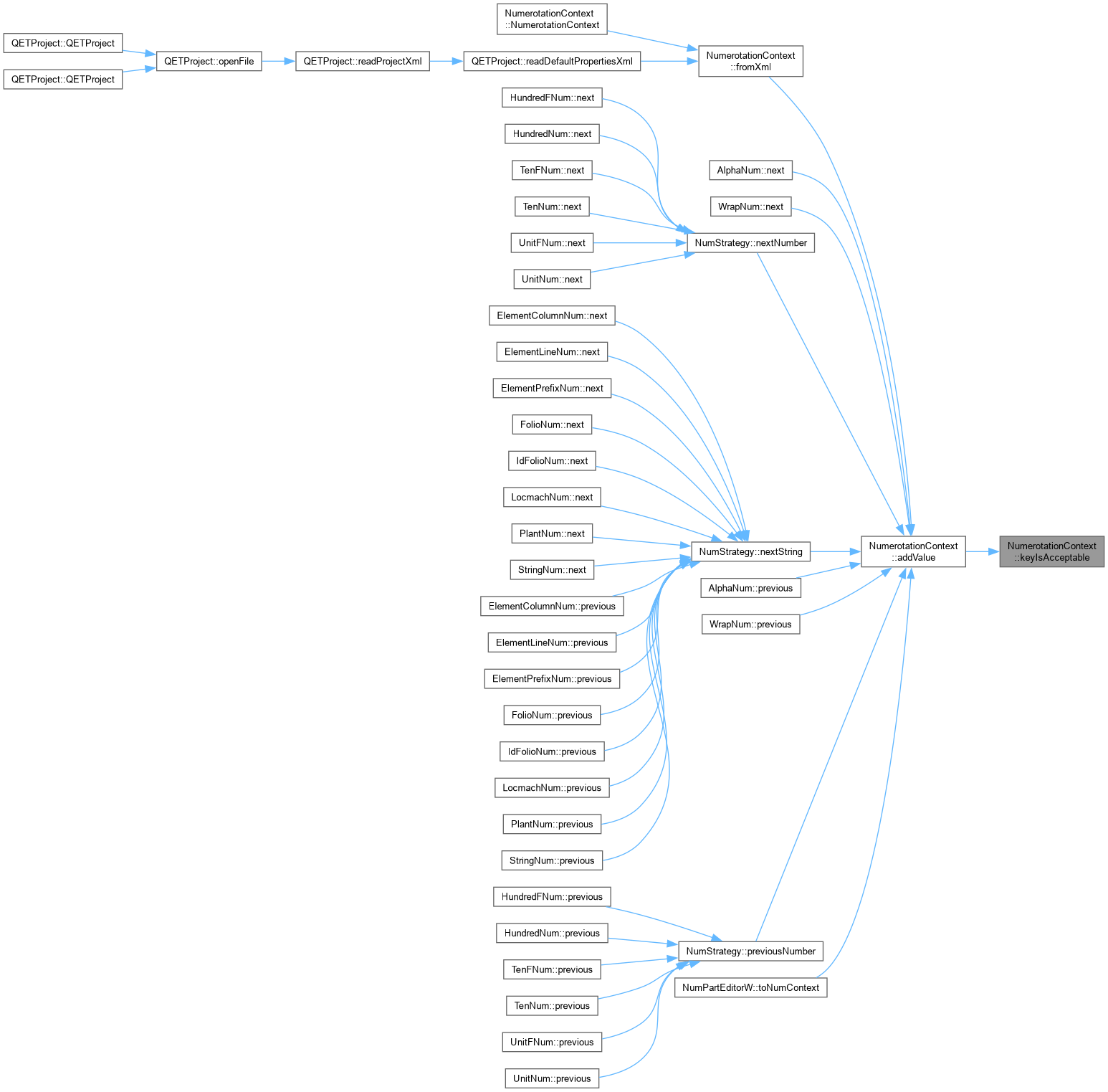
| bool NumerotationContext::keyIsAcceptable | ( | const QString & | type | ) | const |
NumerotationContext::keyIsAcceptable.

| bool NumerotationContext::keyIsNumber | ( | const QString & | type | ) | const |
NumerotationContext::keyIsNumber.

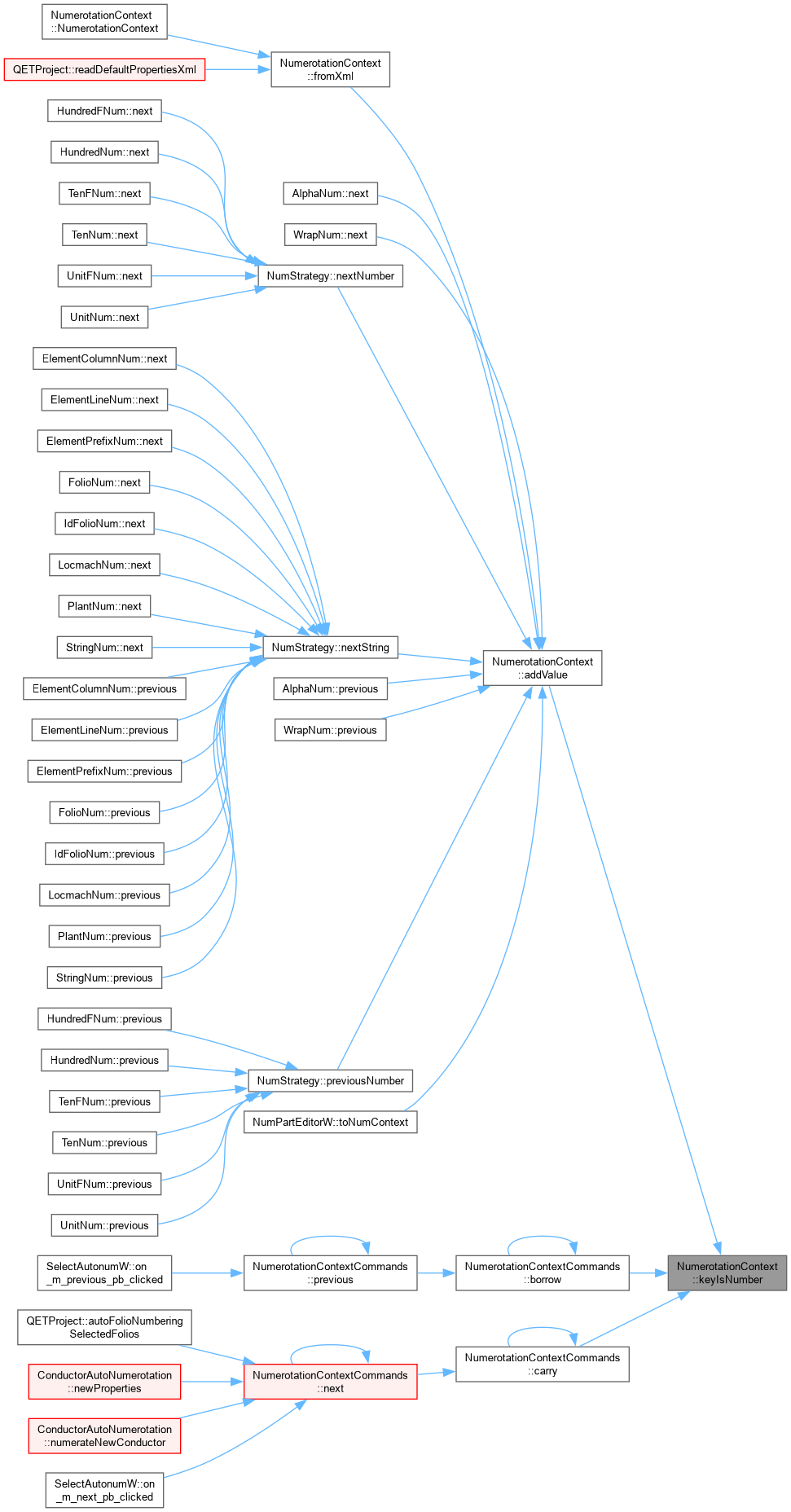
| void NumerotationContext::operator<< | ( | const NumerotationContext & | other | ) |
| QString NumerotationContext::operator[] | ( | const int & | i | ) | const |
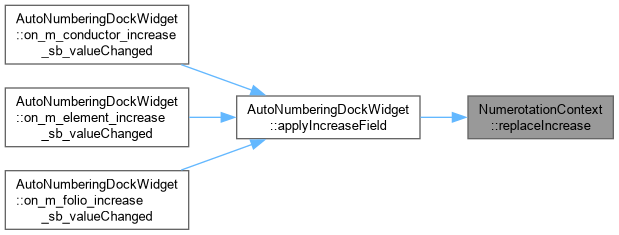
| void NumerotationContext::replaceIncrease | ( | int | index, |
| int | increase ) |
NumerotationContext::replaceIncrease Change how much this part advances per step, leaving its current value, initial value, modulus and format untouched. Sibling to replaceValue(), which deliberately never touches this field.
| index | of NC item |
| increase | new increase for that item |
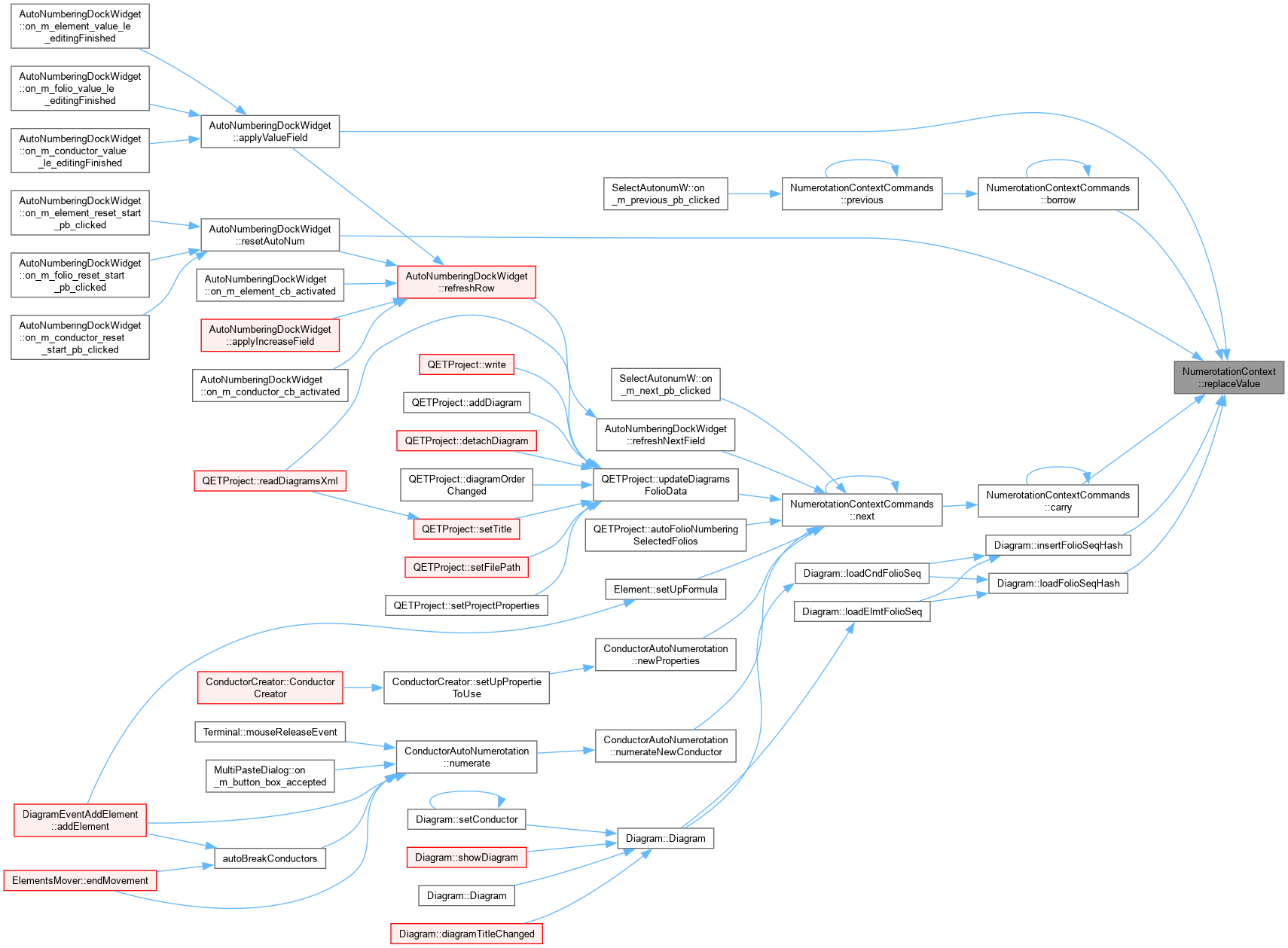
| void NumerotationContext::replaceValue | ( | int | index, |
| QString | content ) |
NumerotationContext::replaceValue This class replaces the current NC field value with content.
| index | of NC Item |
| content | to replace current value |
| int NumerotationContext::size | ( | ) | const |
| QDomElement NumerotationContext::toXml | ( | QDomDocument & | d, |
| const QString & | str ) |
NumerotationContext::toXml Save the numerotation context in a QDomElement under the element name str.

| QString NumerotationContext::validRegExpNum | ( | ) | const |
validRegExpNum
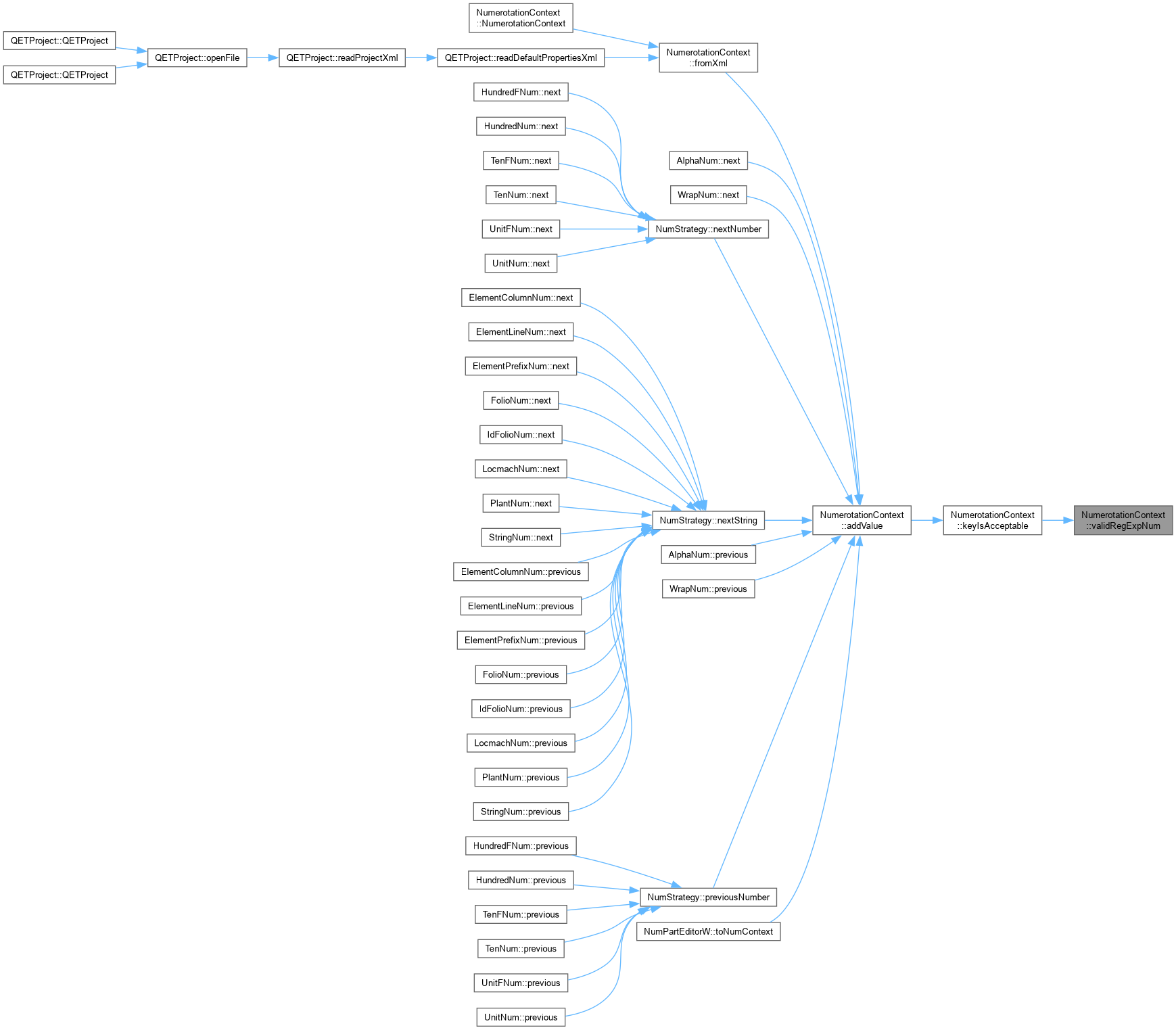
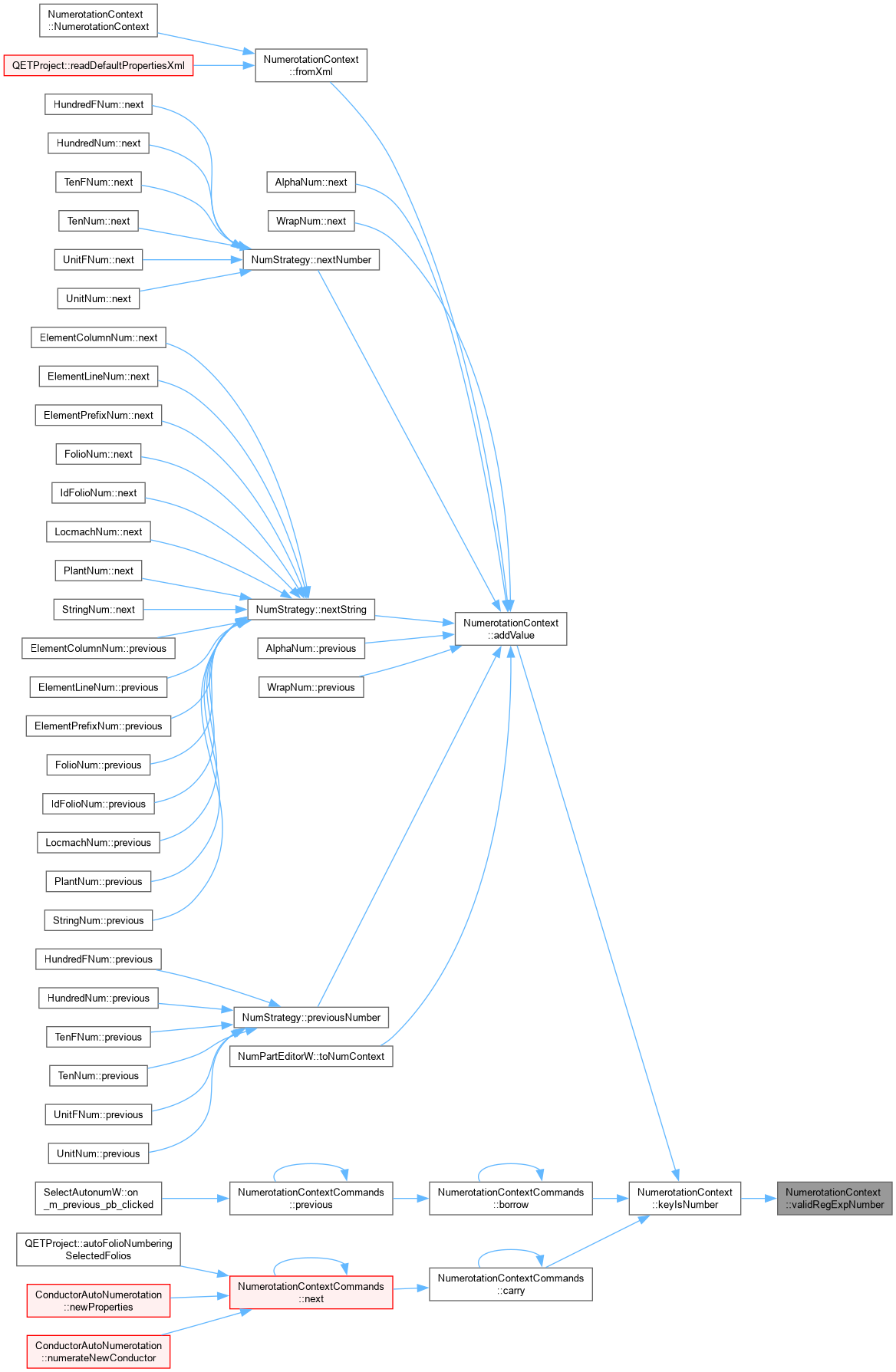
| QString NumerotationContext::validRegExpNumber | ( | ) | const |
NumerotationContext::validRegExpNumber.
|
private |
 1.15.0